

Translated

Stefan Zweig - Diaries by Stefan Zweig

Review by

Stefan Zweig – Diaries

One for Zweig aficionados

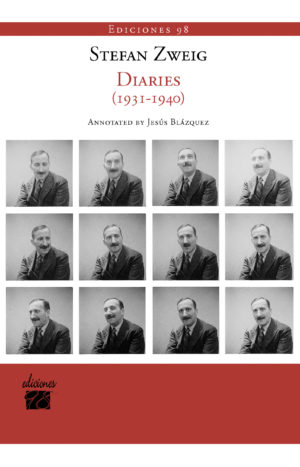
Stefan Zweig – Diaries by Stefan Zweig, covering the period from 1931 to 1940, has just been published in English for the first time. Die-hard fans, like me, will want to read this but if you’re new to Zweig’s writing, I’d start with his books or short-stories instead (The World of Yesterday, Twenty-Four Hours in the Life of a Woman or short-story collections). As a companion to his other works, I found this an interesting peek into the author’s mind; as much for the things he doesn’t say as for what he says.

Read full Review

The World of Yesterday by Stefan Zweig

Review by

The World of Yesterday

The Highs and Lows of Humanity

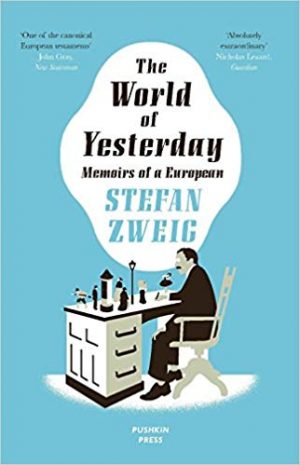
The World of Yesterday by Stephan Zweig is his autobiography, finished two days before his and his second wife’s joint suicide. It’s a lament for a lost world, a love letter to creativity and artists and an eloquent analysis of events that led up to both the first and the second world wars. The parallels with aspects of our own turbulent times are hard to ignore. Zweig, an Austrian Jew whose wonderful novellas (The Royal Game, Amok, Letter from an Unknown Woman, Twenty-four Hours in the Life of a Woman) many of you will know, was the world’s most popular author in the 1920s and 30s, until Hitler banned his books. Highly recommended.

Read full Review

Effi Briest by Theodor Fontane

Review by

Effi Briest

Classic German novel of adulterous downfall

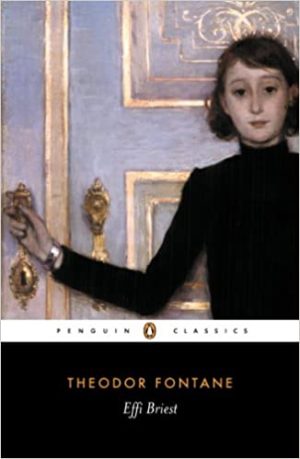
Considering its description by Thomas Mann as one of the six most significant novels ever written, and rumoured to have moved Samuel Beckett to tears on even his fourth reading, Effi Briest by Theodor Fontane remains a remarkably little known novel outside of its native Germany.  Set in 1880’s Prussia, Effi treads the well-worn path of the nineteenth century literary heroine. As an unworldly young woman in a status obsessed male-dominated world, her story tells of a stifling marriage of convenience. Prepare for adulterous downfall and a classic interpretation of the expression ‘pistols at dawn.’

Read full Review

The Unbearable Lightness of Being by Milan Kundera

Review by

The Unbearable Lightness of Being

Engrossing and intense modern classic

The Unbearable Lightness of Being by Milan Kundera is a powerful tour of the emotional realities of late-20th century Czech history. Centered on the story of the young couple Tereza and Tomas, the novel explores the themes of infidelity and meaning-making against the backdrop of the Prague Spring period of 1968. Although intellectual in tone, the novel is entirely readable, thought-provoking, and remains a vibrant lens on history as well.

Read full Review

Exterminate All the Brutes by Sven Lindqvist

Review by

‘Exterminate All the Brutes’

One to make you think

‘Exterminate All the Brutes’ by Sven Lindqvist has been in my to-be-read pile for quite a while (perhaps explained by its depressing title). Those who’ve read Joseph Conrad’s Heart of Darkness might recognise the title as the last sentence of that book and this is Lindqvist’s starting point. This history-cum-travel book investigates the dark history of European colonialism and brutal extermination of indigenous peoples. It’s a distressing but highly recommended read and one which explains some of the systemic racism which still haunts the Western world.

Read full Review

The Life Before Us by Émile Ajar

Review by

The Life Before Us

A funny and moving 20th century French best-selling novel

The Life Before Us by Émile Ajar is a heart-breaking story narrated by Momo, a ten year-old Arab immigrant to France. Momo, who lives in an orphanage run by ex-prostitute Madame Rosa, has seen things no ten-year old should see and is far too advanced for his age. Darkly comical and wonderfully poignant The Life Before Us deserves to join the ranks of rediscovered classics. Why no UK publisher has given its cover a face-lift and republished this wonderful novel is a mystery to me. Read full Review

The Notebook by Agota Kristof

Review by

The Notebook

A book to shock

Wow…is all I can say about The Notebook by Agota Kristof. This is one of the more disquieting books I’ve read but it’s also impossible to put down. It’s the notebook of two nameless young twin brothers somewhere in Eastern Europe, sometime at the end of the Second World War. Calmly and unsentimentally, the boys tell us what war does to people. It’s not a pretty story but it leaves an indelible impression.

Read full Review

Echoes of City by Lars Saabye Christensen

Review by

Echoes of the City

An intricate ode to ordinary people

Norway’s capital is perhaps not the most spectacular city in Europe, but it has seldom been more charming than in Echoes of the City by Lars Saabye Christensen, the first instalment in an ambitious trilogy tracing the lives of ordinary people in post-war Oslo. One of Norway’s most respected novelists, Saabye Christensen has managed the feat of attaining both critical acclaim and high sales.

Read full Review

Story of a Marriage by Geir Gulliksen

Review by

Story of a Marriage

An unflinching study of lost love and intimacy

The 2020 Dublin Literary Award would have announced its shortlist on 2 April, but has since been postponed due to the outbreak of COVID-19. Among the many big names on the extensive long-list was Story of a Marriage by Geir Gulliksen, which caused a stir in Norway upon publication in 2015. Many viewed it as the latest example of so-called virkelighetslitteratur – reality literature – a strand of life writing that seemed to expose the private lives of real people under the guise of fiction.

Read full Review

Kim Jiyoung Born 1982 by Cho Nam-Joo

Review by

Kim Jiyoung Born 1982

#MeToo South Korean style

Kim Jiyoung Born 1982 by Cho Nam-Joo shook South-Korea to the core when it was published there a few years ago, unleashing a fierce #MeToo debate. It chronicles the life of Kim Jiyoung from birth to motherhood to mental breakdown and is written in the form of a psychiatrist report. The cold clinical way her case is described is, of course, a reflection of the way she, as a girl and a woman, is treated. That South Korea lags behind in women’s lib possibly doesn’t come as news but this little book still had the power to surprise and move.

Read full Review