

American Literature

Review by

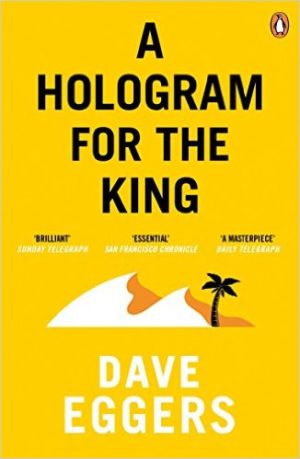
A Hologram For The King

The perfect beach read

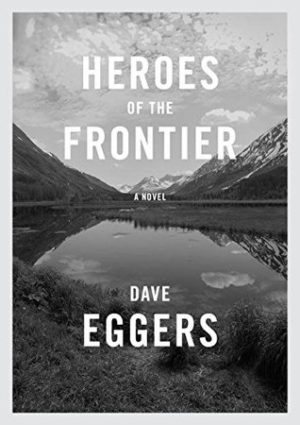
I’m discovering I have a soft spot for Dave Eggers and his ingenious way of writing about modern life. I very much enjoyed The Circle (Eggers’ satire on our obsession with technology and connectivity) and A Hologram for The King, set in the ghostly King Abdullah Economic City in the middle of the Saudi Arabian desert, is just as good. A delightful, light and funny read to pack on your holiday. Can’t wait for his new book Heroes of the Frontier which comes out in July!

Read full Review

Review by

The Girls

When the writing gets in the way of the story

First we had Gone Girl, then The Girl on the Train, The Girl in the Red Coat and this year, it’s simply The Girls…25-year old Emma Cline’s soon to be published (16th June) debut comes steeped in expectations, a $2 million dollar advance and just in time for the summer… rest assured, it won’t be the last time you hear about this book! The story of The Girls is inspired by 1960s cult leader and one of America’s most notorious criminals, Charles Manson, whose followers went on a murder spree around California. The setting is interesting enough, the drama and gore guaranteed, but what about the delivery?

Read full Review

Review by

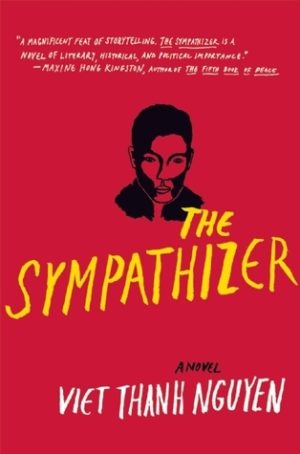
The Sympathizer

Bitingly satirical portrait of post-Vietnam America

Viet Thanh Nguyen doesn’t shy away from the big issues in this Pulitzer Prize winning book about the aftermath of the Vietnam War. Rarely have American double standards, displacement, issues of identity and cultural imperialism made me laugh so much. The Sympathizer (the author’s first!) is not a novel without flaws but Nguyen’s excellent writing, original angle and biting satire make up for the shortcomings.

Read full Review

Review by

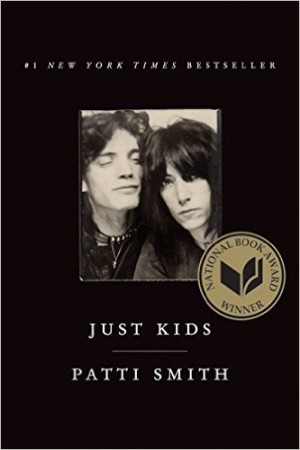
Just Kids

The making of two artists

Ever wondered what is was like to be a hip New York City artist in the late 1960s? Well, no need to wonder any longer, Patti Smith will take you right there in this fascinating autobiography. Just Kids is the story of rock and roll chick Patti Smith’s love affair and artistic collaboration with photography’s bad boy Robert Mapplethorpe, from their first chance meeting in a shop to his death-bed only two decades later.

Read full Review

Review by

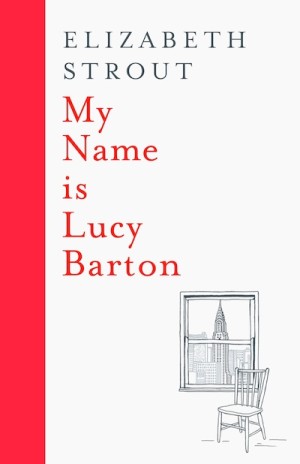
My Name is Lucy Barton

Bland New York Times Bestseller

Hmm…not sure about this one. This best-seller (number one on the New York Times list) seemed somewhat tepid to me. My Name is Lucy Barton takes place in a hospital bedroom where our narrator, Lucy, receives a surprise visit from her estranged mother. Not much is said between mother and daughter, in fact, this novel is more about what isn’t said, but we do gather that Lucy has had a rough childhood, growing up in extreme poverty with distant and abusive parents. Despite it’s distressing themes, the characters remained somewhat lifeless, in particular, I struggled to be convinced by the tension between mother and daughter. For me, the best parts were the flashbacks to Lucy’s childhood and the descriptions of poverty and the stigma attached to it, but there weren’t enough of them. I also missed some more context, a better understanding of Lucy’s journey and of her husband who, like a lot of other characters, in this novel remains an enigma.

My Name is Lucy Barton by Elizabeth Strout is published by Penguin, 196 pages.

Review by

All the Light We Cannot See

A New York Times bestseller and winner of the 2015 Pulitzer Prize for Fiction

I loved this compelling, ambitious novel for several reasons: for Anthony Doerr’s ability to look afresh at this well-trodden period in history (World War II); for his ingenious plot and for his haunting, compelling prose and beautiful imagery. But mostly I loved it because it reminded me of the light and grace we are all capable of embodying. Doerr convinces the reader of the innate good in humanity, even at the most cruel and desolate of times.

Read full Review

Review by

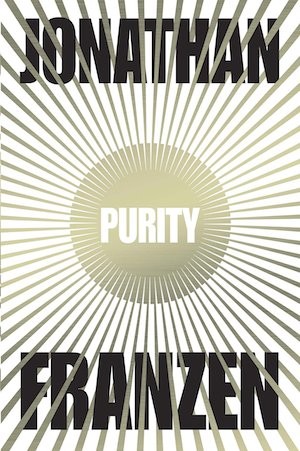
Purity

Uneven Franzen

It’s here! Genius declared ‘Great American Novelist’ Jonathan Franzen’s much anticipated new book Purity. In terms of compulsively readable, contemporary fiction with depth and humour, his last book Freedom was up there amongst the very best for me. Perhaps my expectations were too high, perhaps Purity is not as good as his two previous best-sellers The Corrections and Freedom, or perhaps you will disagree with me, but despite moments of brilliance, I found Purity to be an uneven book, oscillating between Franzen-esque genius and rushed, flat, even – dare I say it – boring writing.

Read full Review

Review by

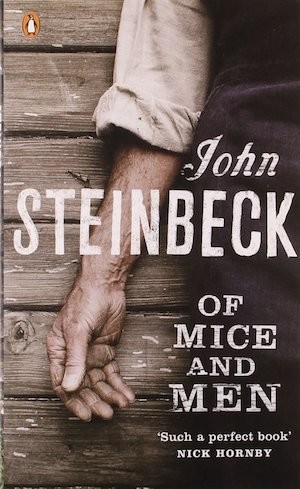
Of Mice and Men

A classic worth re-reading

I’d forgotten how good John Steinbeck’s classic Of Mice and Men really is. Just re-read it after many years and what a gem of a little story! In a mere 120 pages, Steinbeck dives deep into themes such as loneliness, dreams and loyalty while portraying the nomadic lives of ranch hands in America during the Great Depression. To top it off are the most exquisite descriptions of landscapes and farm life.

Read full Review

Review by

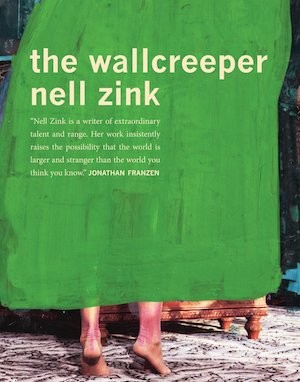
The Wallcreeper

Zink's novel fails to float

Always on the lookout for something truly original, I was tempted by Nell Zink’s (just the name!) eccentric sounding book The Wallcreeper.

Read full Review

Review by

The Goldfinch

A success, and enjoyable in its own right, but a disappointing Pulitzer

There has been a lot of hype about this book and some very polarising reviews. Comparisons have been made to Dickens – which likely refer more to the rather convoluted and dramatic storyline (Oliver Twist’s endless “mishaps” for example), and improbable rescues, than the style or language of writing. Donna Tart’s strength in fact is (as she has shown us with The Secret History) her ability to inhabit a younger voice with credibility and she does not fail us here, wielding her secret weapon – great dialogue – with pace and reality. We like Theo for all his self-absorption and watch the oncoming twists and falls that meet him on the way with mixed dread and hope. It is not without its faults – unlikely plotline convergences (what a coincidence!) and the last pages would have benefited from some heavy editing as it descends into syrupy philosophy (“We can’t escape who we are”) but it is nevertheless a book worth reading. From the first calamitous event, we are pulled along the roller-coaster story: gripping, achingly sad, action-packed, fateful, and very unputdownable.