Bookstoker Young Readers
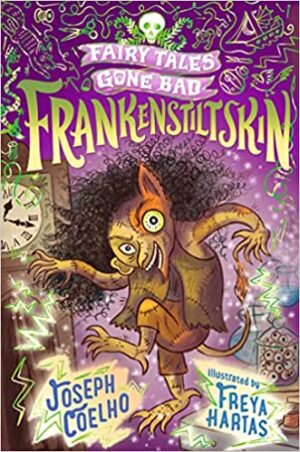
Frankenstiltskin
A gleefully twisted tale from our new Children’s Laureate
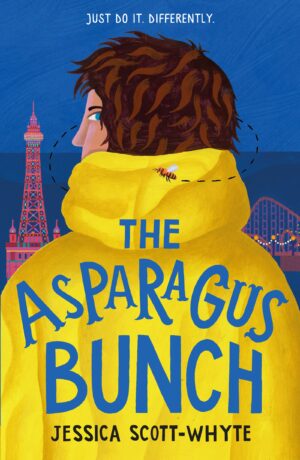
The Asparagus Bunch
Doing it differently
Welcome to Bookstoker!
We’re here to help you find that book that you can’t put down, the book you’ll push on all your friends, the book that’ll change your life.
We read literary fiction, non-fiction, classics and children’s books, all genres and styles embraced in our aim to share the love. You’ll also find fabulous Bookstagrams and literary news.
A world of bookish delights!
Kirstin and Julie



The public wasn’t ready for The Glass Pearls by Emeric Pressburger when it was first published in 1966. Despite Pressburger’s fame as a filmmaker, sales of the book were poor. The reason becomes apparent once you start reading this psychological thriller. The protagonist is a Mengle-style Nazi war criminal hiding in a Pimlico boarding house and working as a piano tuner. However, Karl Braun (aka Dr Otto Reitmüller) is not your usual villain, he’s both cultured and charming and, as the story progresses, you find yourself oscillating between (almost) wanting him to escape and wanting him to be caught. Pressburger, himself a Jew whose mother and several family members perished in concentration camps, wanted to make a point. Even villains can be likeable which is exactly why they are so dangerous.
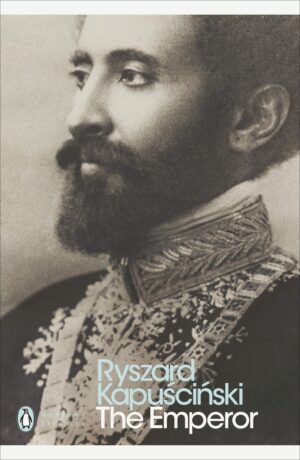
A hero for some and villain for others, Haile Selassie cuts a controversial figure. Emperor of Ethiopia from 1930 to 1974, Selassie stood up to white imperialism, introduced a wide range of reforms and courted Western powers who showered him with foreign aid. He’s considered God by some in the Rastafarian movement. He also ignored millions of starving Ethiopians while spending lavishly on himself and his courtiers, imprisoned or executed his own people on a whim and built up a considerable fortune in Swiss bank accounts. The Emperor by Ryszard Kapuscinski, is a collection of interviews with some of his surviving courtiers, conducted clandestinely after Selassie’s fall. It’s an absorbing study in what power does to people and of a court which makes the courtiers at Buckingham Palace seem like pussycats.

Lost track of the many literary prizes and literary dates? Just missed the announcement of the Booker or Pulitzer prize winners? Join the club! Even we struggle to keep up. Here’s a bit of help with all the important dates for the literary calendar. We’ve focused mainly on dates for the UK except some internationally significant book prizes and festivals. Please let us know in the comment field below if we missed any (which we surely have)!
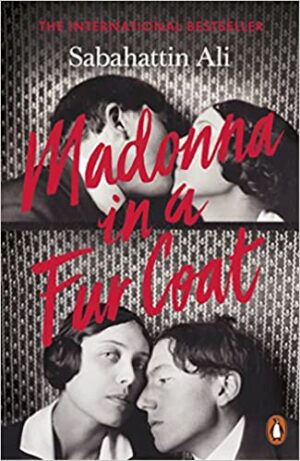
A novel of doomed love in 1920’s Berlin, Madonna in a Fur Coat by Sabahattin Ali is a Turkish treasure. It tells the story of Raif, an introspective and solitary young man who leaves Turkey for the bright lights of Weimar Berlin. In this city of flourishing intellectual and cultural freedoms, he encounters Maria, an enigmatic artist who will come to transform his melancholic life. Told in two parts by an unnamed narrator, we follow Raif’s journey of discovery, as the free-thinking Maria challenges his notions of romantic love, gender roles, and self-reliance.
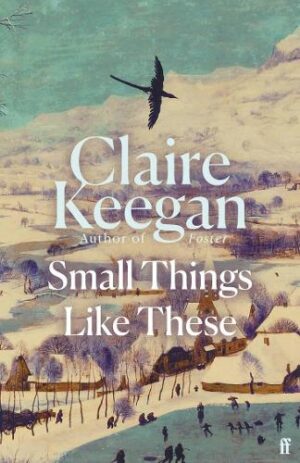
Set in 1985 in an Irish seaside town, Booker Prize long-listed Small Things Like These by Claire Keegan feels like it might as well have been set in 1885. We meet protagonist Bill Furlong, a coal and timber merchant, as he delivers goods to his freezing clients in the run up to Christmas. Poor but happily married with five bright daughters, Furlong takes nothing for granted. Bill was born outside wedlock and owes his relatively harmonious upbringing to the kindness and acceptance of his mother’s employer. Up at the abbey, not everyone has had the same luck.
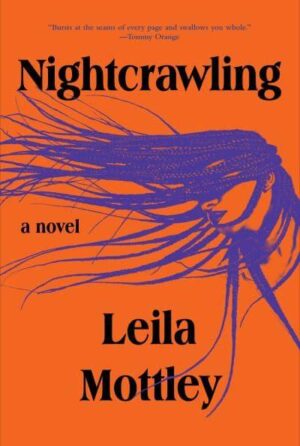
Nightcrawling by Leila Mottley positively springs from the Booker Prize 2022 longlist, and not merely for its conspicuously pink cover. At the age of 20, Mottley is the youngest author ever to make the longlist, dazzling with a debut coming-of-age novel set on the meanest streets of Oakland, California. This is 17-year-old Kiara’s story, technically still a child, but with adult-sized problems. When a dire financial emergency pushes Kiara into prostitution, her ‘baby ho,’ status renders her irresistible to a certain type of man, some of them even sporting Oakland Police Department uniform. What follows is a blistering study of corruption, abuse of power, and young black womanhood.
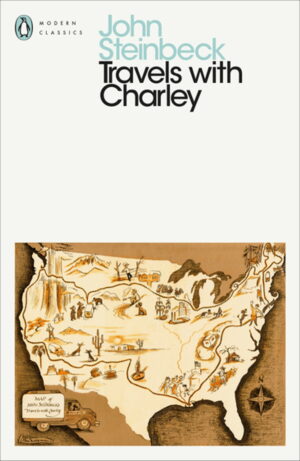
First published in 1962, Travels With Charley by John Steinbeck captures a momentous period in the writer’s life. Ageing, ailing, and concerned that he has lost touch with the American spirit, Steinbeck invites us on a road trip. Complete with customised camper van and a poodle named Charley, we motor thousands of miles under wide skies, in search of the essence of modern America. From his love affair with Montana, to misgivings about Texas, Steinbeck considers the ways that his country has changed since his wandering youth. In this gem of a travelogue, we’re in the finest of company.